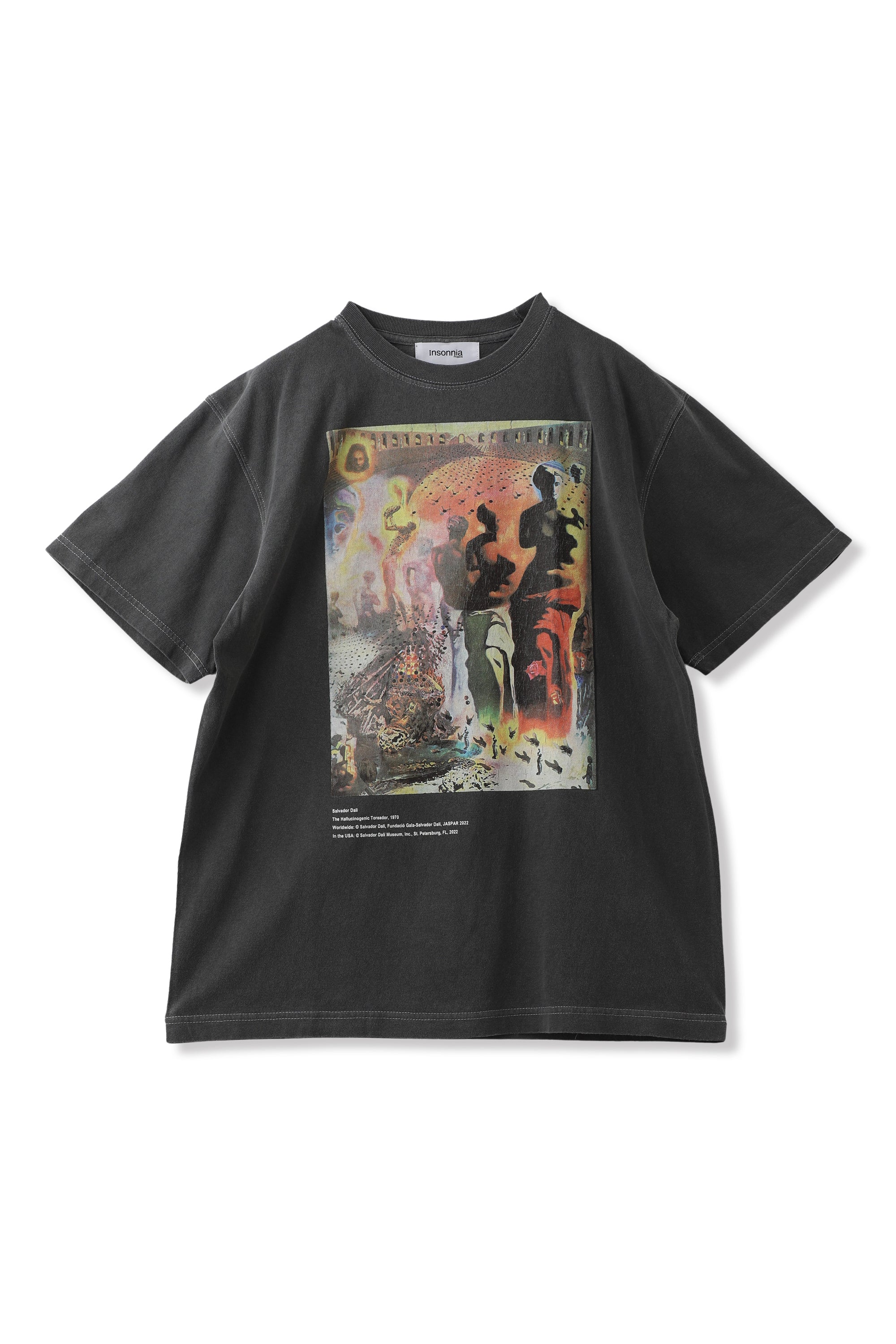


×SALVADOR DALI THE HALLUCINOGENIC TOREADOR, 1970
-
Sign up and get ¥500 OFF
-
Worldwide Shipping Available
-
Fast Shipping
SIZE① SIZE② SIZE③
LENGTH: 66.0CM LENGTH: 69.0CM LENGTH: 71.5CM
WIDTH: 49.0CM WIDTH: 53.5CM WIDTH: 58.0CM
SHOULDER: 46.0CM SHOULDER: 48.0CM SHOULDER: 50.0CM
SLEEVE: 16.5CM SLEEVE: 17.0CM SLEEVE: 18.5CM
━━━━━━━━━━━━━━━━━━━━━━━━━━━━━━━━━━━━━
ABOUT THE BODY
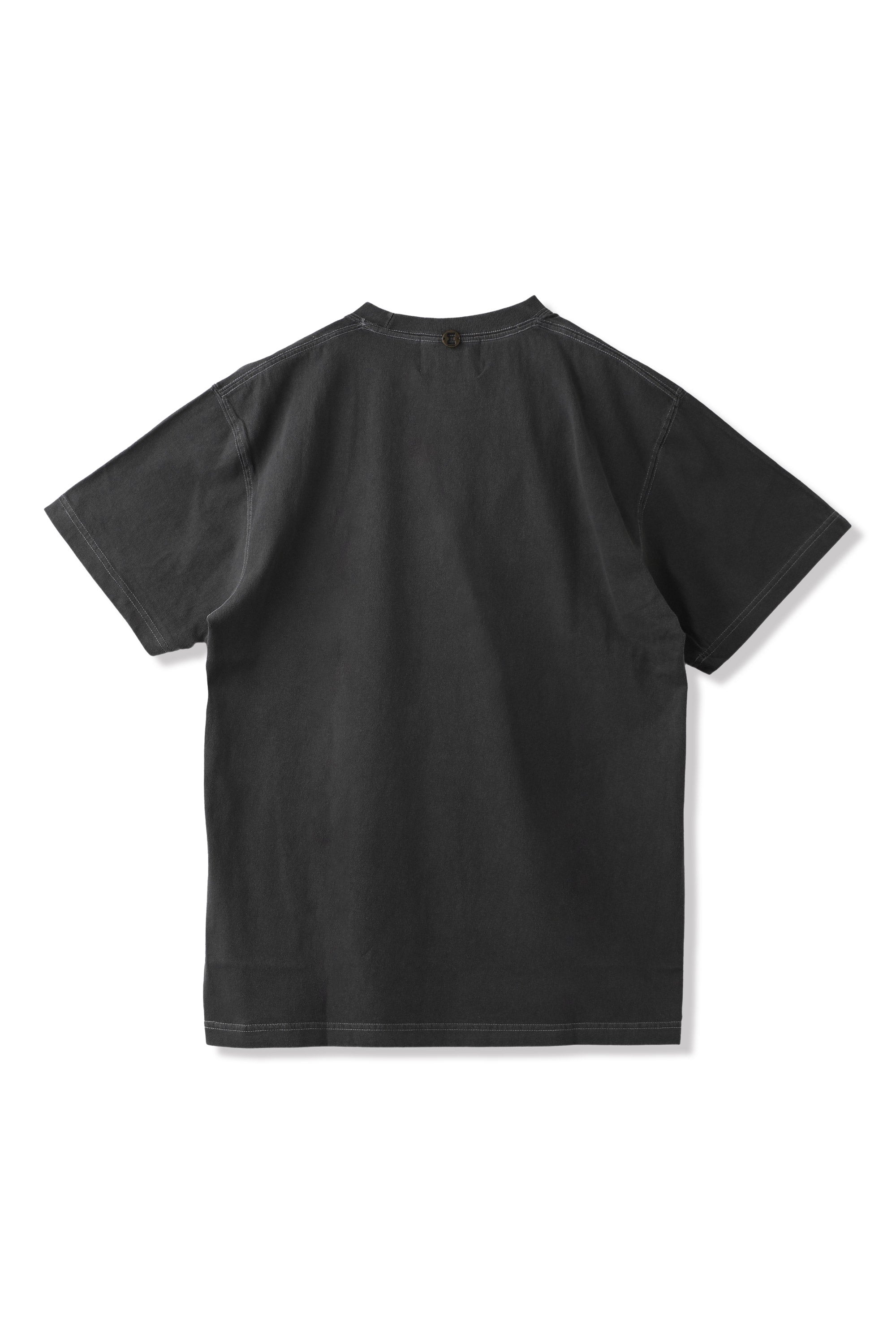
This item uses a reproduction of the vintage body used for American merchandise made from the late 1980s to the mid 1990s. Compared to the current INSONNIA PROJECTS original body, it is cut more compact in both length and width.
If you prefer a relaxed fit, please check the measurements above and consider choosing one size up.
━━━━━━━━━━━━━━━━━━━━━━━━━━━━━━━━━━━━━
SALVADOR DALÍ
A 20th-century Spanish artist and a leading figure of the Surrealist movement. His work is known for its strange, dreamlike imagery and impossible scenes, with symbolic motifs such as melting clocks recurring throughout his paintings.
━━━━━━━━━━━━━━━━━━━━━━━━━━━━━━━━━━━━━
The Hallucinogenic Toreador / 1970
Painted using Dalí's paranoiac-critical method, "The Hallucinogenic Toreador" combines unfamiliar motifs with familiar ones to produce a form of visual expression entirely his own.
The work is dominated by the reds and yellows of the Spanish flag. The main scene is the interior of a bullring, but within it Dalí places a portrait of his wife Gala, circles of various colours, the head of a dead bull, and a view of the bay.
Gala's expression reflects her own dislike of bullfighting.
The painting also contains twenty-eight figures of the Venus de Milo. The idea is said to have come from a pencil box Dalí bought while staying in New York, which was printed with the Venus de Milo; he began adding elements to the empty space around it, and the painting grew from there.
━━━━━━━━━━━━━━━━━━━━━━━━━━━━━━━━━━━━━
Reproduced as closely as possible to the American-made merchandise manufactured from the late 1980s through the mid 1990s.
Printed with the same American rubber process used at the time, on a mid-weight jersey body with the dry, slightly coarse hand feel unique to American bodies.
The techniques that give the body its worn-in character and the print its aged quality draw on the finishing methods INSONNIA has developed over the years.
Dyeing, printing and finishing are all carried out piece by piece by craftsmen in Japan.
━━━━━━━━━━━━━━━━━━━━━━━━━━━━━━━━━━━━━