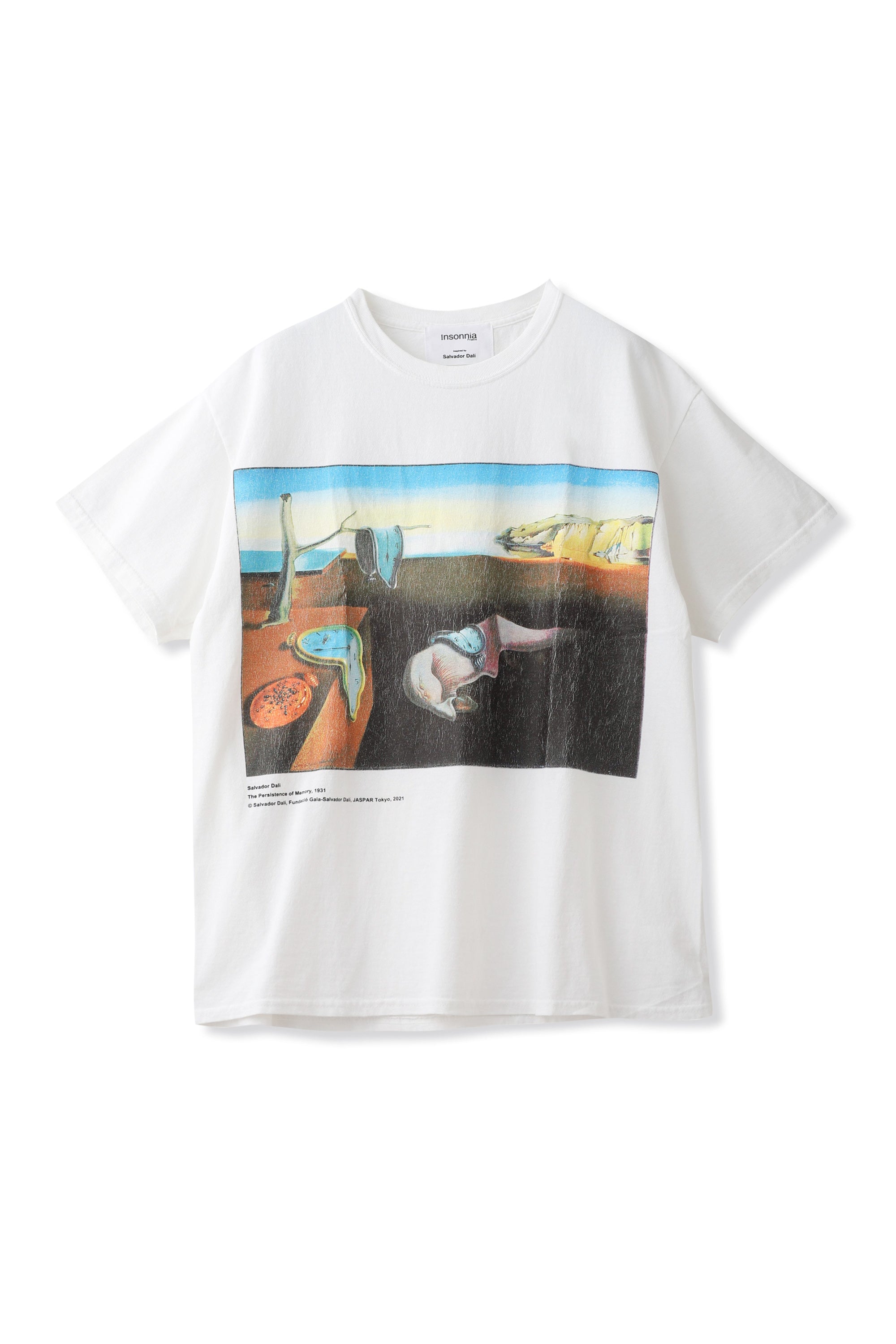
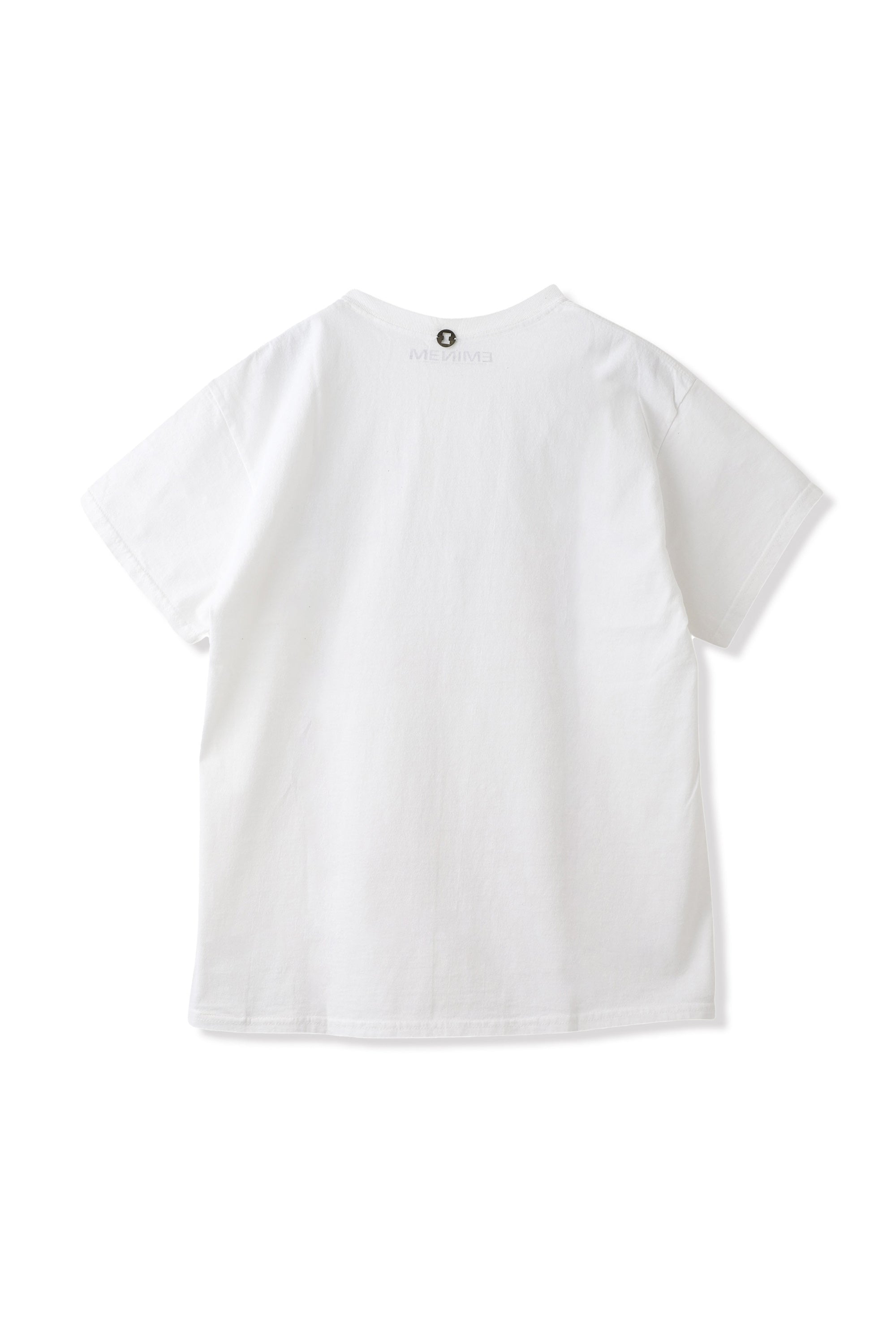


×SALVADOR DALI THE PERSISTENCE OF MEMORY 1931
-
Sign up and get ¥500 OFF
-
Worldwide Shipping Available
-
Fast Shipping
SIZE① SIZE② SIZE③
LENGTH: 66.0CM LENGTH: 69.0CM LENGTH: 71.5CM
WIDTH: 49.0CM WIDTH: 53.5CM WIDTH: 58.0CM
SHOULDER: 46.0CM SHOULDER: 48.0CM SHOULDER: 50.0CM
SLEEVE: 16.5CM SLEEVE: 17.0CM SLEEVE: 18.5CM
━━━━━━━━━━━━━━━━━━━━━━━━━━━━━━━━━━━━━
ABOUT THE BODY
This item uses a reproduction of the vintage body used for American merchandise made from the late 1980s to the mid 1990s. Compared to the current INSONNIA PROJECTS original body, it is cut more compact in both length and width.
If you prefer a relaxed fit, please check the measurements above and consider choosing one size up.
━━━━━━━━━━━━━━━━━━━━━━━━━━━━━━━━━━━━━
SALVADOR DALÍ
A 20th-century Spanish artist and a leading figure of the Surrealist movement. His work is known for its strange, dreamlike imagery and impossible scenes, with symbolic motifs such as melting clocks recurring throughout his paintings.
━━━━━━━━━━━━━━━━━━━━━━━━━━━━━━━━━━━━━
The Persistence of Memory / 1931
"The Persistence of Memory" is an oil painting made by Salvador Dalí in 1931. An early work, it is also one of the paintings he is best known for.
It is sometimes referred to as "the soft watches" or "the melting clocks."
Dalí was preoccupied with both extremes — the soft and the hard — and this painting sets the two against each other.
━━━━━━━━━━━━━━━━━━━━━━━━━━━━━━━━━━━━━
Reproduced as closely as possible to the American-made merchandise manufactured from the late 1980s through the mid 1990s.
Printed with the same American rubber process used at the time, on a mid-weight jersey body with the dry, slightly coarse hand feel unique to American bodies.
The techniques that give the body its worn-in character and the print its aged quality draw on the finishing methods INSONNIA has developed over the years.
Dyeing, printing and finishing are all carried out piece by piece by craftsmen in Japan.
━━━━━━━━━━━━━━━━━━━━━━━━━━━━━━━━━━━━━